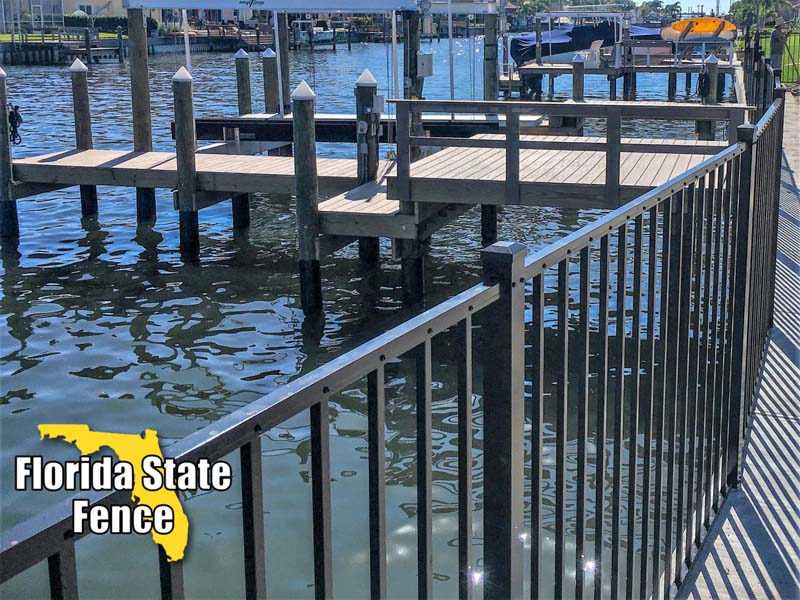
Coastal living comes with incredible perks—ocean views, warm breezes, and endless sunshine. But for your fence? It’s a battlefield. From salt-laden air and hurricane-force winds to relentless sun and shifting sand, coastal Florida throws everything it has at your property line. Choosing the right fencing material isn’t just a matter of style; the right choice of fencing will help protect your investment, ensure safety, and avoid constant repairs or replacements.
If you’re managing a commercial property on the water or upgrading your beachside home, this in-depth guide will help you select the best fencing option for your coastal location and needs.
Understanding Coastal Fencing Challenges
If your property is located near the coast, your fence faces four persistent threats: salt air, high winds, moisture, and sand. Each accelerates wear differently:
- Salt air corrodes metal and breaks down wood fibers.
- High winds test structural integrity, especially during hurricanes.
- Moisture invites mold, rust, and warping.
- Sand grinds away finishes and clogs mechanisms.
Shifting sand can undermine fence posts, and those hurricane-strength winds can turn solid panels into sails. With Florida’s intensifying storm seasons and year-round humidity, specialized fencing is essential for coastal properties.
Coastal properties need fencing specifically designed to resist corrosion, endure moisture, and withstand high wind loads. Choosing the wrong fence material means constant repairs, higher maintenance costs, and even complete fence failure.
Salt Air Corrosion: The Silent Fence Killer
Salt air is one of the most destructive elements coastal fencing faces. Its corrosive effects can weaken even the strongest materials over time, especially if you’re within 3,000 feet of the ocean.
How Salt Air Damages Fencing
Salt corrosion begins when airborne salt particles settle on fencing surfaces, especially metal fasteners and hardware. Over time, these deposits attract moisture and accelerate rust. Wood fencing also suffers—salt exposure breaks down lignin, a natural compound that gives wood its strength. This leads to faster aging and weathering compared to fencing installed further inland.
Materials That Resist Salt Damage
Vinyl fencing is completely immune to salt air and moisture, making it a top performer in coastal environments.
Aluminum fences are another standout: they naturally resist corrosion thanks to their protective oxide layer.
Just as important as material choice is hardware. Using stainless steel fasteners prevents rusting in salty conditions.
On the other hand, galvanized steel (commonly used for chain link fences) is a poor choice for coastal use, as salt air quickly breaks down its protective coating and leaves it vulnerable to rust.
Wind Resistance: Building Fences That Survive Storms
Florida coastal fencing must be designed to stand up to hurricane-force winds. The right materials, styles, and installation methods can make all the difference in storm resilience.
Florida Hurricane Requirements
In high-velocity hurricane zones, fences must meet specific criteria. Miami-Dade County’s NOA approvals set the gold standard for wind resistance. Fences in high-velocity zones need:
- Semi-solid panel or open-picket designs to allow airflow.
- Posts anchored 3+ feet deep in concrete.
- Certified wind-load ratings for speeds up to 160+ MPH.
Wind-Resistant Fence Styles
Open picket designs and chain link fences perform exceptionally well during high-wind events because they let air flow through. Shadowbox and semi-privacy vinyl styles also allow wind passage while offering more visual coverage. Solid panel designs should be avoided in high-wind zones, as they can act like sails and increase the chance of structural failure.
Vinyl Fence vs Wood: The Coastal Reality Check
If you’ve been considering a vinyl fence vs wood fencing, the coastal climate should play a big role in your decision. Making the right choice of fencing material for your property can save you a lot of time, money, and hassle down the road.
Why Wood Fails in Coastal Environments
Wood fencing struggles in salty, humid climates. Salt water breaks down the wood’s internal structure, leading to weakness and eventual failure. Constant moisture invites rot, decay, and insect infestations. Maintaining wood near the ocean often requires expensive marine-grade stains that cost $100 or more per gallon, and even then, you may need to replace sections every 5-10 years.
Vinyl’s Unmatched Coastal Performance
Vinyl fencing offers superior performance with minimal upkeep. It’s immune to salt and moisture damage, and its flexible PVC construction is five times stronger than wood and four times more flexible. UV-stabilized formulas prevent fading in Florida’s intense sun, and hurricane-rated vinyl fencing systems meet strict Miami-Dade NOA codes. Maintenance is as easy as a periodic rinse with fresh water.
| Feature | Vinyl Fencing | Wood Fencing |
| Salt Resistance | Immune | Prone to rot |
| Lifespan | 20-30 years | 5-10 years |
| Maintenance | None | Annual staining |
Vinyl Fence Cost vs Aluminum Fence Cost: Coastal Investment Analysis
When comparing vinyl and aluminum fencing, both offer excellent coastal performance. Vinyl fence cost and aluminum fence cost will vary, though, depending on material grade, style, and installation complexity.
Cost of Vinyl Fencing in Coastal Areas
The cost of vinyl fencing using standard materials will typically run you about $20 to $40 per linear foot. Hurricane-rated vinyl systems may range from $25 to $45 per linear foot installed. With professional installation, expect a total investment of $30 to $60 per foot. However, there are no maintenance costs and you can count on a 20- to 30-year lifespan for a vinyl fence.
Aluminum Fence Installation Costs
Standard aluminum fence materials cost between $25 and $45 per linear foot. For marine-grade aluminum and powder-coated finishes, prices range from $40 to $75 per foot installed. Professional aluminum fence installation is a must for coastal properties subject to salt air. While initial aluminum fence costs are higher, minimal maintenance and a 30- to 50-year year lifespan offer long-term value.
Aluminum Fence: The Coastal Champion with Caveats
Aluminum fencing offers exceptional durability in coastal regions, especially when marine-grade systems are installed correctly. However, it’s not without limitations.
Aluminum Fence Advantages in Coastal Areas
Aluminum naturally forms a protective oxide layer that guards against corrosion. It’s lightweight yet strong (half the weight of steel with superior durability), and its open picket style promotes wind flow. Powder-coated finishes that meet AAMA 2604 and 2605 standards enhance salt air protection. Marine-grade options are specifically engineered for coastal durability.
Aluminum Fence Limitations Near Coastlines
Salt spray can eventually degrade powder coating, especially in direct oceanfront applications. Pitting may occur in areas exposed to regular saltwater contact. Aluminum fencing also has a higher initial cost than vinyl and offers fewer privacy options due to its picket design.
Professional Aluminum Fence Installation for Coastal Success
The right installation is key to maximizing your aluminum fence’s coastal performance and longevity. If you’re planning an aluminum fence installation along the coastline, working with professionals who understand marine-grade requirements is a must.
Marine-Grade Installation Requirements
Marine-grade aluminum installations require stainless steel fasteners to prevent rust, post holes set 3’ deep or more for hurricane resistance, and marine-grade castings to avoid galvanic corrosion. Protective powder coating must be applied in multiple layers, and proper drainage should be accounted for in flood-prone areas.
Commercial vs Residential Coastal Applications
Aluminum fencing for commercial properties near the coast—such as waterfront resorts and industrial sites—requires heavier gauge materials and high-traffic durability. Since aluminum fencing panels and gates are Florida pool code compliant, they’re an excellent (and popular) choice for coastal resorts and private homes with seaside pools. Aluminum’s conductive properties also allow for added security integration.
Maintenance and Protection Strategies
Coastal fencing lasts longer with a few regular maintenance habits and storm preparation.
Routine Coastal Fence Care
Salt residue should be rinsed off with fresh water regularly. (A quick garden hose rinse does the job well to keep a vinyl fence looking great.) Schedule annual inspections before hurricane season, and check for hardware corrosion or loose posts; proactive replacements help extend your fence’s life.
Storm Preparation
Add a fence inspection to your pre-hurricane home inspection checklist. Before storms hit, inspect the fence, secure loose components, and clear debris from fence lines. After a storm, assess for damage and contact your installer for any needed repairs.
Choosing the Right Coastal Fence Style
Coastal fence design is about more than looks—it’s also about performance in your specific environment. That said, your residential fencing may need to comply with HOA guidelines, and both residential and commercial fencing must abide by local codes and ordinances.
Privacy vs Wind Resistance
If privacy is a priority, choose semi-privacy vinyl designs (like shadowbox or board-on-board) that also allow air to pass through. Lattice tops offer visual appeal and improved wind flow. Open aluminum styles are excellent for wind but offer less seclusion.
Aesthetic Considerations
Choose colors and finishes that resist UV fading. This is easy with vinyl and aluminum fencing materials as both are UV resistant. Select a style that matches your coastal home or commercial architecture. Professional fencing installers like Florida State fence can help you choose the perfect material and design to complement your home and the surrounding areas while still meeting your fencing goals. Aluminum fencing and vinyl picket fence designs are a great option to preserve ocean views and are HOA-friendly in many communities.
Why Florida State Fence Excels in Coastal Installations
Florida State Fence brings decades of experience designing and installing fencing systems specifically for commercial and residential coastal properties. From low-maintenance vinyl fences to high-quality aluminum fencing, our team understands the unique challenges of salt exposure, wind load, and storm impact for every fencing type. We offer hurricane-rated systems with NOA certifications.
Making the Smart Coastal Choice: Vinyl vs Aluminum
Vinyl and aluminum both offer standout performance along Florida’s coast, but each has specific strengths depending on your goals and budget.
When to Choose Vinyl Fencing
Vinyl is ideal when privacy, affordability, and low maintenance are your top priorities. It excels in hurricane zones thanks to its flexibility and corrosion resistance, making it a smart pick for many residential applications.
When Aluminum Fence Installation Makes Sense
Aluminum is the right choice for projects requiring visibility, security, or upscale aesthetics. It’s especially well-suited for commercial properties, luxury homes, and areas with oceanfront views.
Ready to protect your property with the best coastal fencing solution? Contact Florida State Fence today to schedule your consultation and get expert guidance tailored to your coastal environment.